
Water is a fundamental element in cannabis cultivation, serving as the lifeblood of the plant. While often overlooked, water quality significantly impacts the health, yield, and potency of cannabis plants. Whether growing cannabis indoors or outdoors, understanding and managing water quality is essential for successful cultivation. This guide delves into why water quality matters, how to assess it, and practical tips for maintaining optimal conditions for cannabis plants.
Why Water Quality Matters in Cannabis Cultivation
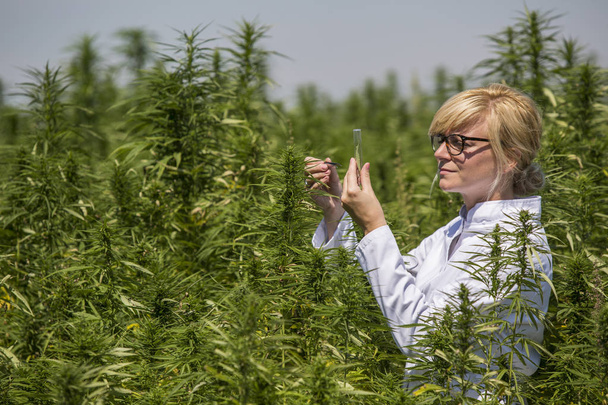
Cannabis plants rely on water for various physiological processes, including nutrient uptake, photosynthesis, and cell structure maintenance. Poor water quality can introduce harmful contaminants, disrupt pH levels, or inhibit nutrient absorption, leading to stunted growth, reduced yield, or plant stress. Clean, properly balanced water is critical to providing plants with the environment they need to thrive.
Key Water Quality Factors
- pH Levels
The pH level of water determines its acidity or alkalinity, which directly affects a cannabis plant’s ability to absorb nutrients. The ideal pH range for cannabis cultivation varies depending on the medium:- Soil: 6.0 to 6.8
- Hydroponics or coco coir: 5.5 to 6.5
Water with a pH level outside this range can lead to nutrient lockout, causing deficiencies even if nutrients are present in the water.
- Electrical Conductivity (EC) and Total Dissolved Solids (TDS)
EC and TDS measure the concentration of salts and nutrients in water. High EC levels indicate excess salts, which can lead to nutrient burn, while low levels may signal insufficient nutrients. Maintaining the right EC range ensures balanced nutrient availability, typically between 1.0 and 2.0 mS/cm for cannabis. - Contaminants
Water can contain various impurities, such as chlorine, chloramine, heavy metals, and pathogens. These contaminants can harm cannabis plants or disrupt their growth. For instance, chlorine and chloramine can kill beneficial microbes in the soil, while heavy metals may accumulate in the plant and pose health risks to consumers. - Hardness and Alkalinity
Hard water contains high levels of calcium and magnesium, which can interfere with nutrient absorption. While calcium and magnesium are essential for cannabis growth, excessive amounts can create imbalances. Similarly, high alkalinity can raise pH levels, requiring adjustments to maintain the optimal range. - Temperature
Water temperature affects the rate of nutrient absorption and root health. Ideally, water used for cannabis cultivation should be between 65°F and 75°F (18°C to 24°C). Water that is too cold can shock the roots, while water that is too warm may promote root rot and decrease oxygen levels.
Assessing Water Quality
Regularly testing your water quality is critical to identifying and addressing potential issues. Here’s how to assess key parameters:
- pH Testing: Use a digital pH meter to measure water pH accurately. Adjust it using pH up or down solutions as needed.
- EC and TDS Testing: A digital EC or TDS meter provides insights into nutrient concentration levels in the water.
- Contaminant Testing: Laboratory water tests or home water testing kits can detect contaminants like chlorine, heavy metals, and pathogens.
- Hardness Testing: Hardness can be assessed using water testing strips or kits, which measure calcium and magnesium levels.
Best Practices for Managing Water Quality
- Use Clean Water Sources
Choose a reliable and clean water source for your cannabis plants. Common options include:- Tap Water: May require filtration to remove chlorine or heavy metals.
- Reverse Osmosis (RO) Water: Provides nearly pure water by removing contaminants, offering a clean slate for nutrient adjustments.
- Rainwater: A sustainable option, though it should be tested for pH and contaminants before use.
- Filter Your Water
Installing a water filter can remove harmful contaminants such as chlorine, chloramine, and heavy metals. Carbon filters are particularly effective for neutralizing chlorine and chloramine, while sediment filters address particulate matter. - Adjust pH Levels
Use pH up or down solutions to adjust the water to the appropriate pH range for your growing medium. Regularly test pH levels to ensure consistency, as fluctuations can stress plants. - Monitor Nutrient Levels
Add nutrients to water only after testing its EC or TDS levels. Always follow the manufacturer’s recommendations for nutrient dosing, and monitor the plant’s response to avoid overfeeding or deficiencies. - Maintain Proper Temperature
Ensure water temperature stays within the ideal range of 65°F to 75°F. If the water is too warm, use cooling methods like chillers or store it in a cool place. For cold water, use aquarium heaters to bring it to the desired temperature. - Prevent Stagnation
Stagnant water can promote the growth of harmful bacteria and algae. Store water in clean, aerated containers, and use it promptly to prevent contamination.
Addressing Common Water Quality Issues
- Hard Water
If your water source is hard, consider using a reverse osmosis (RO) system to remove excess minerals. Alternatively, mix RO water with tap water to maintain some calcium and magnesium content. - Chlorine and Chloramine
Dechlorinate water by letting it sit for 24-48 hours or using a carbon filter. For chloramine, use a dechlorination agent or a high-quality filter designed to neutralize it. - pH Fluctuations
If pH levels are unstable, test your growing medium and nutrient solution. Consistent monitoring and gradual adjustments can stabilize the pH. - Contamination
Regularly clean water storage containers and irrigation systems to prevent the buildup of algae, bacteria, or other harmful substances.
The Impact of Poor Water Quality on Cannabis Plants
Poor water quality can lead to various problems for cannabis plants, including:
- Nutrient Deficiencies: High pH or EC levels can prevent plants from absorbing essential nutrients.
- Toxicity: Contaminants or excessive nutrients can lead to toxicity symptoms like leaf burn or stunted growth.
- Root Issues: Contaminated or poorly oxygenated water can cause root rot or other fungal infections.
- Reduced Yield and Potency: Stressed plants may produce smaller yields with lower cannabinoid and terpene content.
Read Also : Exploring the Differences Between Cannabis Indica, Sativa, and Hybrid Strains
Conclusion
Water quality is a critical yet often underestimated factor in cannabis cultivation. By understanding and managing parameters such as pH, EC, and contaminants, growers can create an optimal environment for healthy, productive plants. Regular testing, proper filtration, and consistent monitoring ensure that water supports the growth and development of cannabis plants, leading to higher yields and superior quality. For successful cultivation, always prioritize clean, balanced water as the foundation of your growing process.