
Cultivating cannabis at home requires more than just seeds, water, and light. To grow robust, healthy cannabis plants, you need to provide them with the right nutrients. Organic fertilizers can make a significant difference in achieving high-quality yields, offering a natural way to feed your plants without the risk of harmful chemicals. In this post, we’ll explore the best organic fertilizers for healthy cannabis plants, detailing their benefits and how to use them effectively.
Why Choose Organic Fertilizers for Cannabis?
When it comes to cannabis cultivation, many growers prefer organic fertilizers over synthetic alternatives. Organic fertilizers are derived from natural sources like plant matter, animal by-products, and minerals. They improve soil health, enhance microbial activity, and provide a slow-release source of nutrients, making them an excellent choice for both beginners and experienced cultivators.
Benefits of Organic Fertilizers:
- Soil Enrichment: Organic fertilizers improve soil structure, allowing better water retention and root development.
- Eco-Friendly: Using organic fertilizers reduces the environmental impact, helping to promote sustainable gardening practices.
- Better Taste and Aroma: Cannabis grown with organic nutrients often has a richer taste and stronger aroma due to enhanced terpene profiles.
Now that we understand the benefits of using organic fertilizers, let’s dive into the top options that can help you grow healthy, vibrant cannabis plants.
1. Compost: The Ultimate Organic Fertilizer
What is Compost?
Compost is a nutrient-rich organic matter created by decomposing food scraps, plant matter, and other organic waste. It’s often referred to as “black gold” due to its ability to improve soil quality.
Why Use Compost for Cannabis?
Compost is packed with essential nutrients like nitrogen, phosphorus, and potassium, as well as beneficial microorganisms that help break down organic matter and enhance soil fertility. This makes it an ideal base for enriching the soil throughout the growing season.
How to Use Compost:
- Mix compost into the soil before planting to boost nutrient availability.
- Use it as a top dressing during the growing season to provide a steady supply of nutrients.
- Ensure the compost is well-aged (at least six months) to avoid any risk of nutrient burn.
2. Worm Castings: A Natural Powerhouse
What Are Worm Castings?
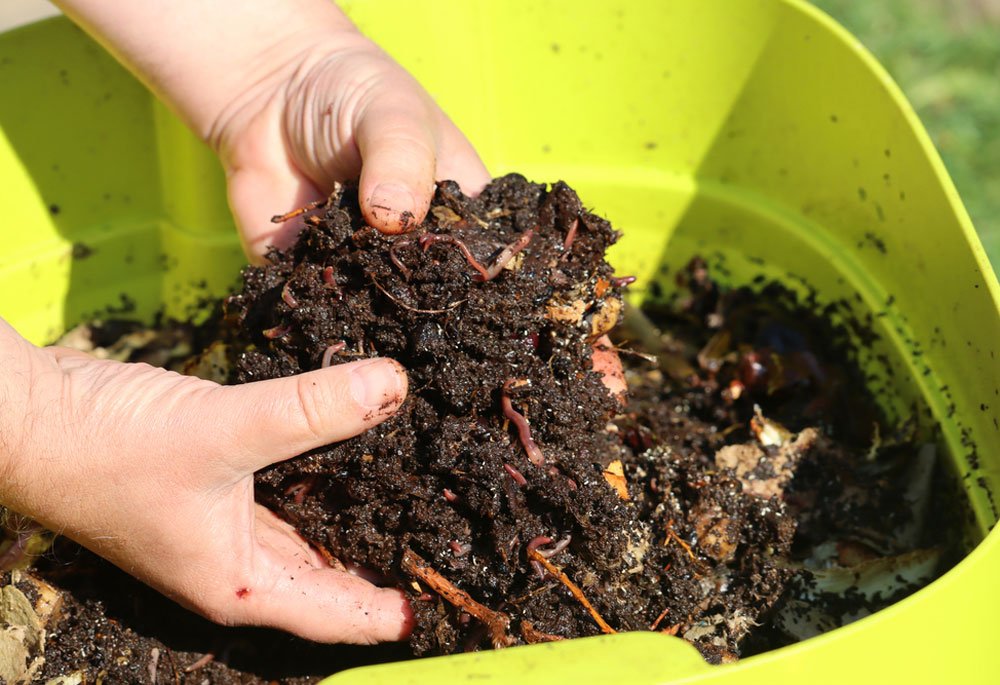
Worm castings, also known as vermicompost, are the nutrient-dense excrement of earthworms. They contain beneficial bacteria, enzymes, and soluble nutrients that can enhance plant growth.
Why Use Worm Castings for Cannabis?
Worm castings are an excellent source of nitrogen, making them ideal for the vegetative stage of cannabis growth. They also help improve soil structure and water retention, allowing cannabis roots to access nutrients more efficiently.
How to Use Worm Castings:
- Mix worm castings directly into your soil or growing medium at a ratio of 10-20%.
- Create a worm casting tea by soaking a handful of castings in water for 24 hours and use it as a nutrient-rich foliar spray or soil drench.
3. Bat Guano: High in Essential Nutrients
What is Bat Guano?
Bat guano is the droppings of bats, often collected from caves and used as a natural fertilizer. It is rich in nitrogen, phosphorus, and trace minerals, making it a potent addition to your nutrient regimen.
Why Use Bat Guano for Cannabis?
The nutrient profile of bat guano depends on the diet of the bats. Some types are high in nitrogen, making them suitable for the vegetative stage, while others are phosphorus-rich, ideal for the flowering stage. This versatility makes bat guano a favorite among organic cannabis growers.
How to Use Bat Guano:
- Mix bat guano into the soil before planting to provide a slow-release nutrient source.
- Create a guano tea by dissolving a small amount in water and applying it to the soil every 2-4 weeks.
- Follow the product’s instructions carefully, as bat guano can be potent and may burn plants if overused.
4. Bone Meal: Rich in Phosphorus for Flowering
What is Bone Meal?
Bone meal is a finely ground powder made from animal bones, typically from cattle. It is high in phosphorus and calcium, both of which are essential for strong root development and healthy flowering.
Why Use Bone Meal for Cannabis?
Phosphorus is crucial during the flowering stage of cannabis, as it promotes bud formation and energy transfer within the plant. Adding bone meal to the soil can support larger, denser buds and a more abundant harvest.
How to Use Bone Meal:
- Mix bone meal into the soil before the flowering stage begins to ensure steady phosphorus availability.
- Use it as a top dressing during the flowering stage for an extra boost.
- Bone meal releases slowly, so be sure to apply it early in the flowering cycle for the best results.
5. Fish Emulsion: A Nitrogen Boost for Vegetative Growth
What is Fish Emulsion?
Fish emulsion is a liquid fertilizer made from decomposed fish. It is rich in nitrogen and other trace minerals, providing a quick and effective nutrient source for cannabis plants.
Why Use Fish Emulsion for Cannabis?
Fish emulsion is particularly useful during the vegetative stage, where plants require a nitrogen boost to promote leaf and stem growth. It is also easy to absorb, making it suitable for soil and hydroponic systems.
How to Use Fish Emulsion:
- Dilute fish emulsion according to the manufacturer’s instructions and apply it as a soil drench every 2-3 weeks during the vegetative stage.
- Use caution, as overuse can result in a fishy smell and possible nutrient burn.
- Store fish emulsion in a cool, dry place to prevent spoilage.
6. Kelp Meal: A Mineral-Rich Supplement
What is Kelp Meal?
Kelp meal is derived from dried and ground seaweed, containing a variety of micronutrients, amino acids, and natural growth hormones.
Why Use Kelp Meal for Cannabis?
Kelp meal is an excellent source of potassium, which is crucial for the overall health and stress resistance of cannabis plants. It also contains natural growth hormones like cytokinins and auxins, which can promote root growth and improve resilience against pests and diseases.
How to Use Kelp Meal:
- Mix kelp meal into the soil before planting or use it as a top dressing during the growth cycle.
- Create a kelp tea by soaking the meal in water for 24-48 hours, then apply it to the soil or use it as a foliar spray.
- Kelp meal can be combined with other organic fertilizers for a well-rounded nutrient profile.
7. Alfalfa Meal: Natural Growth Booster
What is Alfalfa Meal?
Alfalfa meal is made from ground alfalfa plants and is a good source of nitrogen, potassium, and trace minerals. It also contains triacontanol, a natural growth stimulant.
Why Use Alfalfa Meal for Cannabis?
Alfalfa meal helps promote vigorous growth during the vegetative stage and improves the overall vitality of your plants. It can also stimulate beneficial soil microorganisms, which aid in nutrient uptake.
How to Use Alfalfa Meal:
- Mix alfalfa meal into the soil before planting or use it as a top dressing.
- Combine it with compost or other organic fertilizers to enhance soil health.
- Be cautious with quantities, as alfalfa meal is potent and can cause nutrient imbalances if overused.
Choosing the Right Organic Fertilizer for Your Needs
Selecting the best organic fertilizer for your cannabis plants depends on their growth stage and specific needs. During the vegetative phase, nitrogen-rich fertilizers like worm castings and fish emulsion are beneficial. For the flowering phase, look for phosphorus-rich options like bone meal and certain types of bat guano.
Tips for Success:
- Start Slow: Introduce organic fertilizers gradually to avoid nutrient burn.
- Test Your Soil: Conduct a soil test to determine existing nutrient levels and adjust your fertilizer accordingly.
- Monitor Plant Health: Keep a close eye on your plants for signs of nutrient deficiencies or excesses, adjusting your feeding schedule as needed.
Conclusion
Organic fertilizers can be the key to cultivating strong, healthy cannabis plants while maintaining an eco-friendly garden. By choosing the right fertilizers at each growth stage and applying them properly, you can enjoy a bountiful harvest of high-quality cannabis. Whether you’re a beginner or an experienced grower, incorporating these natural solutions into your routine will help ensure the success of your cannabis cultivation efforts. Happy growing!