
Cannabis phytoremediation harnesses the natural abilities of hemp and marijuana plants to absorb, sequester, and sometimes degrade pollutants in soil. As industrial activities, mining, and improper waste disposal leave heavy metals and organic toxins in the ground, growers and environmentalists are turning to cannabis not just for fiber and cannabinoids, but as an eco-friendly soil cleaner. In this post, we’ll explore how cannabis phytoremediation works, why cannabis is uniquely suited for the task, practical implementation tips, and the future of this green technology.
What Is Phytoremediation?
Phytoremediation refers to the use of plants to remediate, or clean up, contaminated environments. Rather than relying on expensive excavation or chemical treatments, phytoremediation offers a cost-effective, non-invasive alternative. Plants can remove pollutants through various mechanisms—extracting metals into their tissues, degrading organic compounds in the rhizosphere, or stabilizing toxins to prevent leaching.
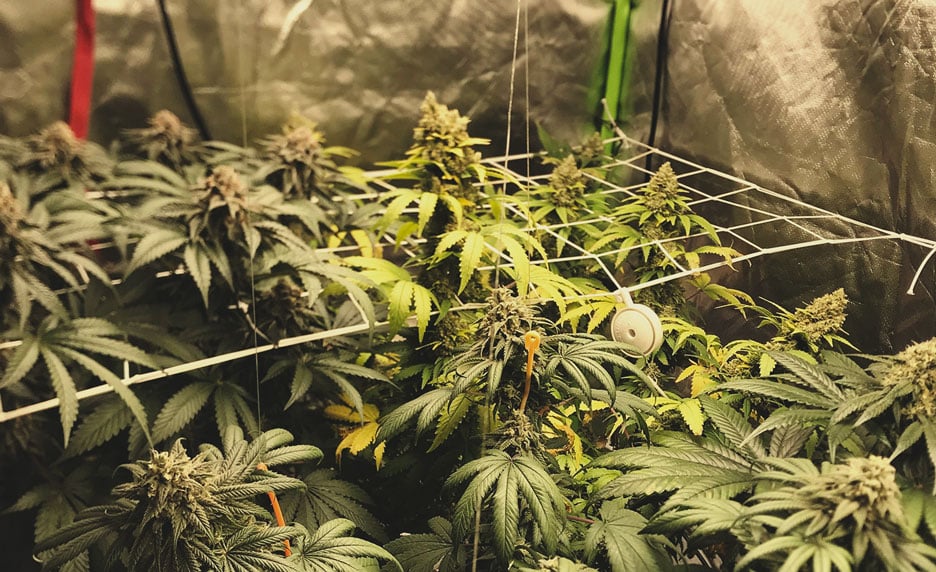
Phytoextraction vs. Other Techniques
One key method is phytoextraction, where plants uptake heavy metals (like lead, cadmium, arsenic) through their roots and store them in leaves or stems. Other approaches include phytostabilization—locking contaminants in the root zone to reduce mobility—and rhizodegradation, in which root exudates stimulate microbial breakdown of organic pollutants. Cannabis, especially industrial hemp varieties, excels in phytoextraction due to its rapid growth and high biomass yield.
Why Cannabis Is an Ideal Phytoremediant
Not all plants are created equal when it comes to soil cleanup. Cannabis offers several advantages over traditional phytoremediators.
Rapid Growth and High Biomass
Hemp can grow up to 5 meters tall in a single season, producing substantial stem and leaf mass. More biomass means more root surface area to absorb contaminants and more plant tissue to harvest and remove toxins from the site. This growth rate shortens remediation timelines compared to slower-growing species.
Superior Heavy Metal Uptake
Research shows that cannabis roots accumulate higher concentrations of heavy metals than many conventional hyperaccumulators. In contaminated sites, hemp has demonstrated the ability to absorb lead levels up to 1000 mg/kg in its root tissues and significant amounts of cadmium and nickel. Its tolerance to metals allows cultivation in soils that would stunt or kill other crops.
Economic and Agronomic Benefits
Unlike some hyperaccumulator plants, hemp has commercial value. Once harvested, non-contaminated portions of the crop—such as fibers or seeds—can be processed for textiles, bioplastics, or oils. Though tissues laden with toxins must be handled carefully, dual-purpose cultivation combines remediation with potential revenue, offsetting cleanup costs.
Case Studies and Research Findings
Real-world trials and lab studies validate cannabis’s phytoremediation potential.
Industrial Brownfield Rehabilitation
In one pilot project on a former steel fabrication site, researchers planted hemp across 1 hectare of lead-contaminated soil. After one growth cycle, soil lead levels dropped by an average of 20%, and hemp root tissues contained up to 450 mg/kg lead. Successive plantings further reduced contamination, demonstrating the feasibility of multi-season cleanup.
Cadmium Uptake in Agricultural Soil
A greenhouse study exposed hemp seedlings to soils spiked with cadmium at 10, 25, and 50 ppm concentrations. After 90 days, root cadmium accumulation reached over 800 mg/kg, while shoot tissues contained approximately 200 mg/kg. The plants remained healthy at lower concentrations and exhibited only mild growth inhibition at the highest cadmium level.
Practical Implementation Strategies
Turning theory into practice requires careful planning, execution, and post-harvest management.
Site Assessment and Crop Selection
Begin with soil testing to identify pollutant types and concentrations. Choose hemp cultivars bred for phytoremediation, which often feature robust root systems and metal tolerance. Map out planting zones based on contamination gradients to optimize remediation efforts.
Cultivation and Harvesting Protocols
Sow seeds at standard agronomic densities to maximize root coverage. Maintain soil pH near neutrality (6.5–7.5) to enhance metal bioavailability for uptake. At maturity, harvest above-ground biomass and roots separately: stems and leaves for potential industrial uses, roots for disposal. Ensure no portion of the edible or fiber product enters the food chain if contaminated.
Safe Disposal of Contaminated Biomass
Plant tissues containing high toxin levels must be treated as hazardous waste. Options include incineration with proper emissions controls or composting in specialized reactors where toxins can be immobilized. Advances in biomass recycling—such as converting metal-laden ashes into construction materials—are emerging.
Regulatory and Environmental Considerations
While promising, cannabis phytoremediation faces legal and ecological challenges.
Navigating Cannabis Regulations
In many jurisdictions, cultivation of cannabis for phytoremediation requires permits, even for industrial hemp. Growers must comply with THC limits, licensing, and reporting guidelines. Collaboration with environmental agencies can streamline approval for remediation projects.
Managing Ecological Risks
Introducing any crop to contaminated sites risks unintended ecological impacts. Pesticide use, seed dispersal, and wildlife interactions must be controlled. Buffer zones and monitoring protocols help prevent pollutant migration and protect local biodiversity.
Future Prospects and Innovations
Advances in biotechnology and agronomy promise to enhance cannabis phytoremediation.
Genetic Engineering for Enhanced Uptake
Researchers are exploring gene editing to boost metal transporter expression in cannabis roots. Transgenic lines with overexpressed phytochelatin synthase—an enzyme that binds heavy metals—could accelerate phytoextraction rates and tolerate even higher contamination levels.
Integrated Remediation Systems
Combining hemp with other plant and microbial technologies offers synergistic effects. For example, inoculating soils with metal-tolerant bacteria can improve cannabis metal uptake, while intercropping with willow or poplar trees may address organic pollutants via rhizodegradation.
Also Read : The Importance of Water Quality in Cannabis Cultivation
Conclusion
Cannabis phytoremediation presents a scalable, cost-effective, and versatile solution for decontaminating polluted soils. Its rapid growth, high biomass, and exceptional ability to accumulate heavy metals position hemp as a leading candidate for green remediation projects. By carefully assessing sites, selecting suitable cultivars, and managing harvests and disposal responsibly, growers and environmental professionals can harness cannabis’s natural prowess—one plant at a time—to restore land health and unlock economic value. As innovations in genetics and integrated systems advance, the full potential of cannabis in the fight against soil contamination is only beginning to unfold.