
The rapid rise of cannabis legalization across various regions has led to increased demand for cannabis cultivation. While the economic and social benefits of cannabis legalization are often discussed, the environmental impact of large-scale cannabis farming is often overlooked. Cannabis cultivation can have significant ecological consequences, particularly when not managed sustainably. From water consumption to energy use and pesticide application, the environmental footprint of cannabis farming can be substantial.
In this blog post, we will explore the environmental impact of cannabis cultivation and highlight sustainable practices that can help mitigate its ecological footprint. By focusing on eco-friendly approaches, we can ensure that cannabis farming becomes a more responsible and sustainable industry.
The Environmental Challenges of Cannabis Cultivation
1. Water Usage
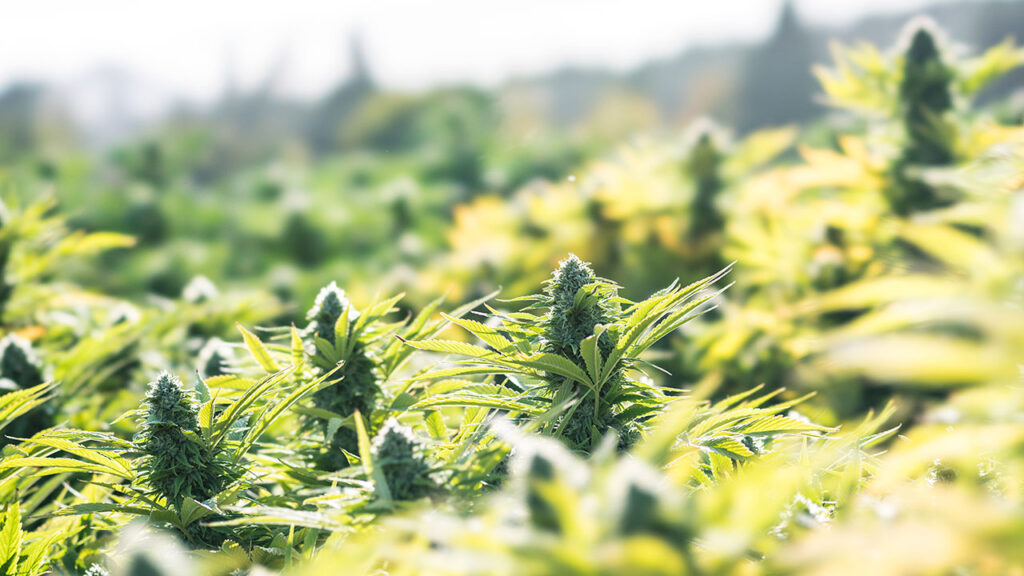
Cannabis is a water-intensive crop, especially when grown in large quantities. Whether cultivated indoors or outdoors, cannabis requires significant amounts of water to grow, and excessive water usage can lead to strain on local water resources. In regions where water scarcity is an issue, cannabis farming can exacerbate existing environmental problems.
Indoor cannabis cultivation, in particular, uses an alarming amount of water. Many indoor growers use hydroponic systems, which are water-efficient to some extent but still demand large amounts of water to maintain the growth cycles of the plants.
- What’s the Impact?
- Water scarcity in local areas
- Overuse of groundwater resources
- Pollution from runoff due to fertilizers and pesticides used in cultivation
2. Energy Consumption
Indoor cannabis cultivation requires a significant amount of energy. To create the ideal growing environment, indoor farmers use artificial lighting, temperature controls, and ventilation systems. According to some estimates, indoor cannabis cultivation can use up to 1,000 times more electricity per square foot than traditional farming. This high energy consumption is largely due to the need for intense light and climate control, which is not just costly but also detrimental to the environment.
- What’s the Impact?
- High greenhouse gas emissions from electricity usage
- Dependence on non-renewable energy sources
- Increased carbon footprint of indoor farms
3. Pesticides and Chemical Use
Pesticides and chemicals are commonly used in cannabis cultivation to prevent pests and diseases. However, the widespread use of synthetic pesticides can lead to contamination of local ecosystems. These chemicals can leach into the soil, harming beneficial insects, polluting water sources, and affecting nearby wildlife.
Outdoor cannabis farming, although generally less energy-intensive, can still contribute to environmental harm if pesticides and fertilizers are not managed responsibly. Excessive use of these chemicals can lead to soil degradation, nutrient imbalances, and water contamination.
- What’s the Impact?
- Soil and water contamination
- Harm to biodiversity and pollinators like bees
- Negative effects on nearby wildlife and ecosystems
Sustainable Practices for Cannabis Cultivation
Despite the environmental challenges, there are many sustainable practices that cannabis cultivators can adopt to minimize their ecological footprint. Let’s explore some of these practices that can help reduce the environmental impact of cannabis farming.
1. Water-Efficient Cultivation Methods
Sustainable water usage is one of the most critical aspects of reducing the environmental impact of cannabis farming. There are several ways cannabis farmers can use water more efficiently, particularly when growing cannabis indoors.
a. Hydroponics and Aquaponics
Hydroponic farming involves growing plants in water-based systems without soil, using nutrient-rich solutions. Hydroponic systems can reduce water waste significantly compared to traditional soil-based cultivation methods, as the water is recirculated. Similarly, aquaponics systems combine fish farming and hydroponic growing, where the fish waste provides nutrients for the plants, creating a more closed-loop, water-efficient system.
b. Drip Irrigation
For outdoor or greenhouse cultivation, drip irrigation systems are an effective way to minimize water waste. These systems deliver water directly to the plant roots, ensuring that the plants receive just the right amount of water without the loss of moisture through evaporation or runoff.
c. Rainwater Harvesting
Harvesting rainwater can also reduce dependence on municipal water systems and groundwater for irrigation. By capturing rainwater, farmers can use it to irrigate their crops, reducing the need for treated water and lessening the strain on local water resources.
2. Transitioning to Renewable Energy
To reduce the carbon footprint associated with energy consumption in indoor cannabis farming, many growers are transitioning to renewable energy sources. By investing in solar panels, wind energy, or even utilizing biogas, cannabis farms can significantly reduce their reliance on fossil fuels.
a. Solar Power
Solar power is one of the most popular renewable energy options for cannabis farms. By installing solar panels on their roofs or nearby land, growers can reduce their electricity costs and decrease their environmental impact.
b. Energy-Efficient Technologies
In addition to switching to renewable energy, growers can reduce energy consumption by implementing energy-efficient technologies. LED grow lights, for example, consume significantly less energy compared to traditional high-pressure sodium lights, offering the same level of light intensity required for plant growth. Growers can also invest in energy-efficient HVAC systems, temperature control, and ventilation systems.
3. Organic and Eco-Friendly Pesticides
To reduce the negative environmental impact of pesticides, many cannabis farmers are switching to organic and eco-friendly alternatives. Organic farming practices promote the use of natural pest control methods, such as introducing beneficial insects, using neem oil, or applying insecticidal soap made from natural ingredients.
By reducing the use of synthetic pesticides, growers can help preserve biodiversity, protect pollinators like bees, and prevent the contamination of soil and water resources. This approach also promotes healthier plants and can increase the long-term sustainability of the farm.
4. Sustainable Packaging
Packaging plays a significant role in the environmental impact of the cannabis industry. Excessive plastic packaging can contribute to waste and pollution, especially in a market where products are sold in small containers that are often disposed of quickly.
a. Biodegradable and Recyclable Materials
Cannabis businesses can help reduce packaging waste by opting for biodegradable or recyclable materials for their products. Using glass jars, paper-based packaging, or even compostable plastic can help minimize the environmental footprint associated with packaging. Encouraging consumers to recycle or reuse packaging can further help reduce waste.
b. Bulk Sales and Refills
Encouraging bulk sales or offering refillable packaging can also reduce the need for single-use containers. By providing refill options, businesses can minimize packaging waste and promote more sustainable consumer behavior.
5. Carbon Offsetting and Regenerative Practices
To further reduce the environmental impact of cannabis cultivation, some farms are investing in carbon offset programs and regenerative farming practices. Carbon offsetting involves investing in projects that reduce or capture carbon emissions, such as planting trees or supporting renewable energy initiatives. Regenerative farming practices, such as no-till farming and cover cropping, help improve soil health, sequester carbon, and increase biodiversity on farms.
Read Also : Cannabis for Sleep: Exploring Lesser-Known Strains and Their Benefits
Conclusion
The environmental impact of cannabis cultivation is a pressing issue that needs to be addressed as the industry continues to grow. However, there are many sustainable practices that can help mitigate the ecological footprint of cannabis farming. By adopting water-efficient techniques, transitioning to renewable energy, using organic pesticides, and embracing sustainable packaging, cannabis cultivators in Canada can reduce their environmental impact and contribute to a more eco-friendly industry.
As demand for cannabis continues to rise, it is crucial for businesses and growers to prioritize sustainability. By implementing these practices, the cannabis industry can continue to thrive while minimizing its negative impact on the environment, ultimately creating a more sustainable and responsible future for cannabis cultivation.