
As CBD oil continues to grow in popularity, consumers have more options than ever before. From different strengths and formulations to flavored and unflavored varieties, choosing the right product can feel overwhelming. One of the simplest ways to evaluate a CBD oil product is by reading its ingredient list.
High-quality CBD oil is typically made with carefully selected ingredients that support safety, consistency, and effectiveness. Understanding what goes into your CBD oil can help you make informed purchasing decisions and choose products that align with your wellness goals.
In this guide, we’ll explore the most common ingredients found in quality CBD oil products and explain why each one plays an important role.
Why Reading the Ingredient List Matters
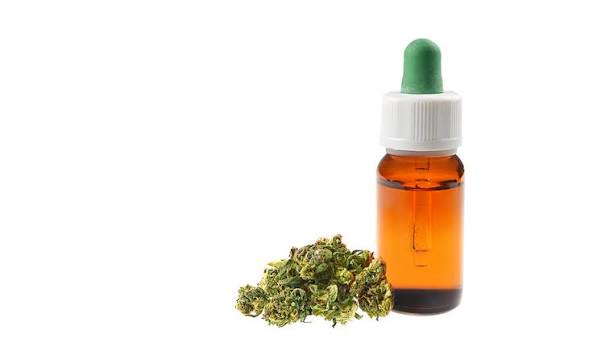
Many people focus only on the amount of CBD listed on the bottle, but the complete ingredient list tells a much bigger story. It helps you understand:
- What type of CBD extract is used
- Which carrier oil is included
- Whether natural or artificial ingredients have been added
- If unnecessary additives are present
- Whether the product suits your dietary preferences or allergies
A transparent ingredient list is often a sign of a reputable CBD brand that values quality and consumer trust.
1. CBD Extract
The primary ingredient in every CBD oil product is cannabidiol (CBD), a naturally occurring compound extracted from hemp plants.
Depending on the formulation, the CBD extract may fall into one of three categories:
Full-Spectrum CBD
Full-spectrum CBD contains cannabidiol along with other naturally occurring hemp compounds, including minor cannabinoids, terpenes, flavonoids, and legally permitted trace amounts of THC (where allowed by law).
Many consumers choose full-spectrum products because they contain a broader range of naturally occurring plant compounds.
Broad-Spectrum CBD
Broad-spectrum CBD includes multiple cannabinoids and terpenes but typically has THC removed during processing.
This option appeals to individuals who prefer a wider cannabinoid profile without THC.
CBD Isolate
CBD isolate contains highly purified cannabidiol with most other hemp compounds removed.
It is often selected by consumers who want products containing only CBD.
2. Carrier Oils
CBD extract is highly concentrated and is usually combined with a carrier oil. Carrier oils improve absorption, make dosing easier, and help distribute CBD evenly throughout the product.
Some of the most common carrier oils include:
MCT Oil
Medium-chain triglyceride (MCT) oil, usually derived from coconut oil, is one of the most popular carrier oils in CBD products.
Benefits include:
- Neutral taste
- Smooth texture
- Long shelf life
- Easy absorption
Hemp Seed Oil
Although hemp seed oil does not naturally contain significant amounts of CBD, it is rich in healthy fats and nutrients.
Many manufacturers combine CBD extract with hemp seed oil because both originate from the hemp plant.
Olive Oil
Some CBD oils use extra virgin olive oil as a carrier.
It offers:
- Mild flavor
- Natural antioxidants
- Healthy monounsaturated fats
Avocado Oil
Less commonly used, avocado oil provides another plant-based carrier option with a smooth consistency.
3. Natural Terpenes
Terpenes are aromatic compounds naturally found in hemp and many other plants.
Examples include:
- Limonene
- Myrcene
- Pinene
- Linalool
- Caryophyllene
These compounds contribute to the aroma and flavor profile of CBD oil. Some manufacturers preserve naturally occurring terpenes during extraction, while others add them back after processing.
4. Natural Flavorings
Some CBD oils have an earthy taste that not everyone enjoys.
To improve flavor, manufacturers may include natural ingredients such as:
- Peppermint oil
- Orange oil
- Lemon oil
- Vanilla extract
- Berry flavoring
High-quality products typically use natural flavorings rather than artificial additives.
5. Natural Plant Extracts
Some premium CBD oils contain additional botanical ingredients selected for their flavor or complementary wellness properties.
Examples include:
- Chamomile extract
- Lavender extract
- Turmeric extract
- Ginger extract
- Green tea extract
These ingredients vary by product and should always be clearly listed on the label.
6. Antioxidants
Certain manufacturers include natural antioxidants to help preserve freshness and extend shelf life.
Common examples include:
- Vitamin E (tocopherols)
- Rosemary extract
These ingredients help protect oils from oxidation.
Ingredients Quality CBD Oils Usually Avoid
One characteristic of premium CBD oil is simplicity.
Many reputable brands avoid unnecessary ingredients such as:
- Artificial colors
- Artificial sweeteners
- Synthetic preservatives
- Excess fillers
- Low-quality oils
Short, transparent ingredient lists often indicate better manufacturing practices.
Why Carrier Oils Are Important
Many consumers overlook carrier oils, but they serve several important purposes.
Carrier oils help:
- Dilute concentrated CBD extract
- Improve product consistency
- Make serving sizes easier to measure
- Support absorption
Without a carrier oil, CBD extracts would be difficult to use accurately.
The Importance of Third-Party Lab Testing
Even the best ingredient list should be supported by independent laboratory testing.
A reputable CBD brand should provide a Certificate of Analysis (COA), which verifies:
- CBD content
- THC levels (where applicable)
- Purity
- Absence of harmful contaminants such as heavy metals, pesticides, residual solvents, and microbes
Third-party testing adds transparency and helps consumers purchase products with greater confidence.
How to Read a CBD Oil Label
When comparing products, look for labels that clearly state:
- CBD type (full-spectrum, broad-spectrum, or isolate)
- CBD concentration
- Complete ingredient list
- Carrier oil used
- Serving size
- Batch number
- Expiration date
- Third-party testing information
Avoid products with vague descriptions or incomplete labeling.
Questions to Ask Before Buying CBD Oil
Before purchasing a CBD oil product, consider asking:
- Is the hemp sourced from reputable growers?
- Has the product been independently tested?
- What carrier oil is used?
- Are natural or artificial flavorings included?
- Does the ingredient list contain unnecessary additives?
- Is the CBD type clearly identified?
The answers to these questions can help you compare products more effectively.
Signs of a High-Quality CBD Oil
A quality CBD oil product typically offers:
- Clearly labeled ingredients
- High-quality carrier oils
- Natural flavorings, if included
- Third-party lab testing
- Transparent manufacturing information
- Appropriate packaging to protect freshness
Brands that openly share this information often demonstrate a stronger commitment to product quality.
Common Misconceptions About CBD Oil Ingredients
“More Ingredients Mean Better Quality”
Not necessarily. A simple formula with high-quality ingredients is often preferable to one with numerous unnecessary additives.
“Hemp Seed Oil Is the Same as CBD Oil”
No. Hemp seed oil and CBD oil come from different parts of the hemp plant. Hemp seed oil contains beneficial fats but little to no CBD unless CBD extract has been added.
“Natural Means Safe for Everyone”
Even natural ingredients can cause allergies or interact with certain medications. Always review the ingredient list carefully and consult a healthcare professional if you have concerns.
Tips for Choosing the Right CBD Oil
When shopping for CBD oil:
- Read the complete ingredient list.
- Check for third-party lab reports.
- Choose products with reputable carrier oils.
- Avoid unnecessary artificial additives.
- Purchase from trusted brands with transparent manufacturing practices.
- Select a CBD type that matches your preferences.
Taking a few extra minutes to evaluate the ingredients can help you make a more informed purchase.
Also Read: Organic Growing Tips for Cannabis Plants Started From Seed
Conclusion
Understanding the ingredients in your CBD oil is an important step toward choosing a high-quality product. While CBD extract is the primary ingredient, carrier oils, natural terpenes, flavorings, and botanical extracts all contribute to the product’s overall formulation and user experience.
Rather than focusing solely on the amount of CBD, take time to review the complete ingredient list, verify third-party testing, and select products from reputable manufacturers. By prioritizing transparency and quality, you can feel more confident in your choice and better understand what you’re adding to your daily wellness routine.