
Introduction
Choosing the right cannabis seeds is one of the most important steps for any cultivator, whether you’re a beginner growing at home or a professional managing a large-scale operation. The success of your cannabis garden largely depends on the genetics you start with, and selecting the best seeds for your goals can save time, resources, and frustration. With countless strains and seed types available, understanding what to look for and how to match seeds to your needs is essential.
Understanding the Different Types of Cannabis Seeds
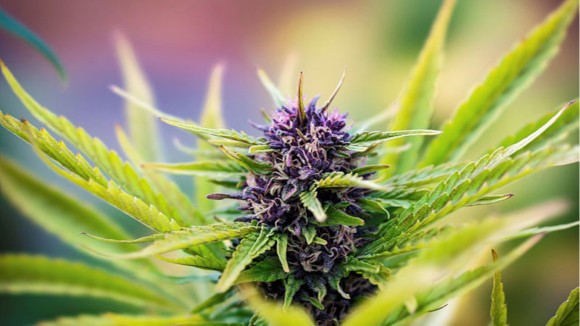
Before diving into specific strains or brands, it’s important to understand the basic categories of cannabis seeds. The main types include regular seeds, feminized seeds, and autoflowering seeds. Each serves a different purpose and offers unique advantages and challenges.
- Regular seeds are produced through natural pollination and can grow into either male or female plants. These are ideal for breeders and experienced growers who want to experiment with creating new strains or cloning female plants. However, because male plants don’t produce buds and can pollinate females (leading to seedy buds), beginners may find regular seeds more challenging to manage.
- Feminized seeds have been specially bred to eliminate male chromosomes, ensuring that nearly every plant grown from them will be female. Since only female cannabis plants produce the resin-rich buds desired for consumption, feminized seeds are ideal for growers focused on yield and quality. This type of seed is especially popular for home growers and commercial cultivators alike.
- Autoflowering seeds are designed to flower automatically after a certain period, regardless of the light cycle. This trait makes them a great choice for beginners or those looking for a quick harvest. Autoflowers are usually smaller and less potent than photoperiod strains, but advances in breeding have significantly improved their quality in recent years.
Consider Your Growing Environment
One of the first things to think about when selecting cannabis seeds is your growing environment. Are you growing indoors or outdoors? Is your climate hot and dry, or cool and humid? These factors will determine which strains are best suited to thrive.
- For indoor growing, you have more control over temperature, humidity, and light, so you can choose from a wider variety of strains. That said, compact strains like Indicas or certain autoflowers are generally better suited for indoor setups, especially if space is limited.
- For outdoor cultivation, you’ll want to choose hardy strains that can withstand the elements in your region. Sativas tend to do well in warm, tropical climates because they’re more resistant to mold and mildew. If you live in a cooler or more temperate climate, look for Indica-dominant strains or fast-flowering hybrids that finish before the fall rains.
Know the Difference Between Indica, Sativa, and Hybrid
Understanding the effects and characteristics of Indica, Sativa, and hybrid strains can help you choose seeds that align with your desired outcomes.
- Indica strains are known for their relaxing, sedative effects. They tend to have broad leaves and a shorter, bushier stature, which makes them well-suited for indoor growing. Indicas are often chosen for nighttime use or for managing stress, insomnia, and chronic pain.
- Sativa strains are more energizing and uplifting. They grow tall and have narrower leaves. Because they take longer to flower and require more vertical space, they’re typically grown outdoors. Sativas are often favored by users who want daytime relief from fatigue, depression, or anxiety.
- Hybrid strains combine traits from both Indica and Sativa parents, offering a balance of effects. Hybrids can be tailored to specific needs, whether that’s relaxation without drowsiness or pain relief without the heavy body sensation.
Pay Attention to THC and CBD Levels
The cannabinoid profile of a strain—particularly its levels of THC (tetrahydrocannabinol) and CBD (cannabidiol)—is another important factor in choosing the right seeds. THC is the psychoactive compound that creates a “high,” while CBD is non-psychoactive and known for its therapeutic benefits.
If you’re looking for recreational effects, high-THC strains may be your choice. These strains often provide strong euphoria, creativity, and altered sensory perception. On the other hand, if you’re using cannabis for medical purposes such as anxiety, inflammation, or seizures, you might prefer high-CBD or balanced THC:CBD strains.
Understanding your purpose for using cannabis will help guide your seed selection. Many seed banks now provide detailed cannabinoid profiles for each strain, so you can easily compare and choose accordingly.
Also Read: Cannabis for Sleep: Exploring Lesser-Known Strains and Their Benefits
Consider the Flowering Time
Flowering time refers to how long it takes from the start of the flowering phase until the plant is ready for harvest. This is particularly important if you’re working with limited time or facing seasonal weather changes.
- Fast-flowering strains, including many Indicas and hybrids, typically finish within 7 to 9 weeks. These are great for growers who want quick results or need to beat the first frost in outdoor settings.
- Sativa-dominant strains often require 10 to 14 weeks to fully mature. While they take longer, many growers find the wait worthwhile due to the unique effects and aromas these strains offer.
If you’re looking for speed and simplicity, autoflowering seeds are unbeatable. They can go from seed to harvest in as little as 8 to 10 weeks, which is ideal for those who want to grow multiple cycles in one season.
Evaluate Seed Bank Reputation
Once you’ve narrowed down the type of seed you want, it’s crucial to purchase from a reputable seed bank. Reliable seed banks offer high-quality, genetically stable seeds with accurate descriptions and germination guarantees.
Look for reviews, check online forums, and ask for recommendations in cannabis growing communities. A trustworthy seed bank will provide detailed information about each strain, including its origin, cannabinoid content, growth traits, and expected yield.
Avoid purchasing seeds from unknown sources or marketplaces with questionable reviews. Poor-quality seeds can lead to stunted growth, unpredictable genetics, or a high rate of male plants, especially if you’re not buying feminized seeds.
Think About Your Level of Experience
Your experience level should also guide your seed selection. Some cannabis strains are more forgiving and easier to grow, while others require careful monitoring, training techniques, and optimal environmental conditions.
Beginner-friendly strains like Northern Lights, Blue Dream, or White Widow are known for their resilience and adaptability. They can handle minor mistakes and still produce quality yields.
If you’re more experienced, you might consider growing more demanding strains like certain landraces or exotic hybrids that need precise control of nutrients and light. These can offer higher potency or more complex terpene profiles but require greater attention and skill.
Match Strain to Desired Effects and Medical Benefits
Whether you’re growing cannabis for recreational enjoyment or medical use, it’s essential to choose strains that align with your goals. Take time to consider what effects you’re seeking, such as relaxation, creativity, energy, or relief from specific symptoms.
For example, if you’re looking for pain relief, strains like ACDC or Harlequin (both high in CBD) may be effective. For sleep, you might want an Indica like Granddaddy Purple. For focus and energy, Sativa strains like Durban Poison or Sour Diesel are popular choices.
Each strain has a unique combination of cannabinoids and terpenes, the aromatic compounds that contribute to a plant’s flavor and therapeutic effects. Reading strain descriptions and reviews can give you insight into how others have experienced its effects.
Don’t Overlook Terpene Profiles
Terpenes not only influence a strain’s aroma and taste but also play a role in its effects through a phenomenon known as the entourage effect. Some common terpenes include:
- Myrcene – Sedative and relaxing
- Limonene – Uplifting and mood-boosting
- Pinene – Alertness and anti-inflammatory
- Linalool – Calming and anti-anxiety
A strain high in limonene might offer an energizing effect, while one rich in myrcene could be better for relaxation. Many seed banks now include terpene profiles in their strain descriptions, helping you make more informed decisions.
Conclusion
Selecting the right cannabis seeds is both a science and an art. It involves understanding your goals, matching them to specific seed types and strain characteristics, and being honest about your growing conditions and experience level.
Start by defining your purpose—whether it’s medicinal use, recreational enjoyment, or just learning to grow. Consider where and how you’ll be growing, then dive into research about different seed types, flowering times, and cannabinoid profiles. Take advantage of the wealth of information available from seed banks and growing communities, and don’t be afraid to start small and learn as you go.
By choosing the right cannabis seeds, you set the foundation for a successful and rewarding grow that meets your needs and delivers high-quality results.