
Introduction
Cannabis is far more complex than just THC or CBD alone. While these two compounds are often discussed separately, their true potential may lie in how they interact with each other and with other plant compounds. This synergy is commonly referred to as the entourage effect—a concept that has gained significant attention in both scientific research and wellness communities.
Understanding how THC and CBD work together can help you make more informed decisions about cannabis products, especially if you’re seeking balanced effects, better symptom management, or a more controlled experience.
What Are THC and CBD?
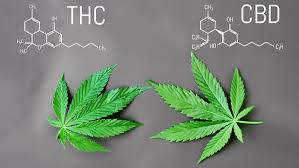
Before diving into how they work together, it’s important to understand the individual roles of THC and CBD.
THC (tetrahydrocannabinol) is the primary psychoactive compound in cannabis. It’s responsible for the “high” commonly associated with marijuana. THC interacts directly with CB1 receptors in the brain, influencing mood, perception, appetite, and pain sensation.
CBD (cannabidiol), on the other hand, is non-psychoactive. It doesn’t produce a high and is often associated with calming, anti-inflammatory, and anxiety-reducing effects. CBD interacts more indirectly with the body’s endocannabinoid system, supporting balance without strong intoxication.
While both compounds offer benefits individually, their combined use can create a more nuanced and potentially more effective experience.
What Is the Entourage Effect?
The entourage effect is a theory suggesting that cannabis compounds work better together than in isolation. Instead of acting independently, cannabinoids like THC and CBD, along with terpenes and flavonoids, interact synergistically to enhance or modify each other’s effects.
This concept was first introduced in the late 1990s by researchers exploring how different cannabis compounds influence the body. The idea is similar to how nutrients in whole foods often work better together than when isolated into supplements.
In simple terms, the entourage effect means the whole cannabis plant may be more effective than any single compound on its own.
How THC and CBD Interact in the Body
THC and CBD influence the body through the endocannabinoid system (ECS), a network of receptors that helps regulate functions like mood, sleep, pain, and immune response.
THC binds directly to CB1 receptors in the brain, producing psychoactive effects. CBD, however, doesn’t bind strongly to these receptors. Instead, it modulates how THC interacts with them.
One of CBD’s most important roles is balancing THC’s intensity. It can reduce some of THC’s less desirable effects, such as anxiety, paranoia, or rapid heart rate. This makes products with both THC and CBD appealing to users who want the benefits of THC without feeling overwhelmed.
At the same time, THC may enhance some of CBD’s therapeutic properties, particularly in areas like pain relief and muscle relaxation.
The Role of Terpenes in the Entourage Effect
While THC and CBD are the main focus, terpenes also play a critical role in the entourage effect. Terpenes are aromatic compounds found in cannabis (and many other plants) that give each strain its unique smell and flavor.
Beyond aroma, terpenes may influence how cannabinoids affect the body. For example:
- Myrcene may promote relaxation and sedation
- Limonene is often associated with mood elevation
- Pinene may support alertness and memory
When combined with THC and CBD, these compounds can shape the overall experience, making it more energizing, calming, or balanced depending on the profile.
Benefits of the Entourage Effect
The interaction between THC, CBD, and other cannabis compounds may offer several advantages:
1. More Balanced Effects
CBD can soften the intensity of THC, leading to a smoother and more manageable experience.
2. Enhanced Therapeutic Potential
Some research suggests that combining cannabinoids may improve outcomes for conditions like chronic pain, inflammation, and anxiety.
3. Lower Required Doses
Because compounds work together, users may need smaller amounts to achieve desired effects, reducing the risk of side effects.
4. Customized Experiences
Different ratios of THC to CBD allow users to tailor their experience—whether they want relaxation, focus, or mild euphoria.
THC:CBD Ratios and What They Mean
Cannabis products often list THC and CBD ratios, which can give you a good idea of what to expect.
- High THC, Low CBD (e.g., 10:1)
Strong psychoactive effects with potential for euphoria, but may also increase the risk of anxiety in sensitive users. - Balanced Ratio (1:1)
Offers a mix of mild euphoria and relaxation, often considered ideal for beginners or those seeking therapeutic benefits without overwhelming effects. - High CBD, Low THC (e.g., 1:10)
Minimal intoxication with calming, anti-inflammatory effects—commonly used for wellness purposes.
Choosing the right ratio depends on your tolerance, goals, and previous experience with cannabis.
Full-Spectrum vs Isolate Products
The entourage effect is most commonly associated with full-spectrum cannabis products, which contain a wide range of cannabinoids and terpenes.
- Full-spectrum products preserve the plant’s natural profile, maximizing the potential for synergy.
- Broad-spectrum products contain multiple compounds but usually exclude THC.
- Isolates contain only one compound (like pure CBD) and do not provide the entourage effect.
If your goal is to experience the full benefits of cannabis synergy, full-spectrum products are generally the preferred choice.
Is the Entourage Effect Scientifically Proven?
The entourage effect is supported by growing research, but it is still an evolving area of study. Some clinical and preclinical studies suggest that whole-plant extracts may be more effective than isolated cannabinoids, particularly in pain and epilepsy treatment.
However, more large-scale human studies are needed to fully understand how these interactions work and to what extent they can be relied upon for different conditions.
Despite this, many users and healthcare professionals report better outcomes with combined cannabinoid use compared to isolates.
Things to Consider Before Using THC and CBD Together
If you’re interested in exploring the entourage effect, keep a few things in mind:
- Start low and go slow, especially if you’re new to THC
- Pay attention to product labels, including cannabinoid ratios and terpene profiles
- Be aware of local laws regarding THC-containing products
- Consider your goals—whether it’s relaxation, pain relief, or improved sleep
Everyone’s body responds differently, so some experimentation may be necessary to find what works best for you.
Also Read: Cannabis and Sleep: Can It Improve Your Rest?
Final Thoughts
The entourage effect highlights the complexity and potential of cannabis as a plant-based wellness option. Rather than relying on a single compound, it emphasizes the importance of synergy—how THC, CBD, and other components work together to create a more balanced and effective experience.
As research continues to evolve, our understanding of these interactions will likely deepen. For now, choosing products that preserve the natural profile of cannabis and experimenting with different ratios can help you better experience the benefits of this unique plant.
Whether you’re seeking relaxation, relief, or simply a more controlled cannabis experience, understanding how THC and CBD work together is a powerful step toward making informed choices.