
Cannabis cultivation has always been closely tied to environmental conditions. From temperature and rainfall to soil quality and sunlight, growers depend heavily on nature’s balance to produce high-quality plants. However, with the increasing effects of climate change, cannabis farming is facing new challenges and unexpected shifts. Understanding these impacts is essential not only for cultivators but also for policymakers, researchers, and consumers who depend on the cannabis industry.
In this blog, we’ll explore how climate change is reshaping cannabis cultivation, the specific challenges growers face, and how innovation is helping the industry adapt.
The Link Between Climate Change and Agriculture
Climate change affects nearly every agricultural sector, and cannabis is no exception. Rising global temperatures, unpredictable weather, and shifting ecosystems influence crop cycles and productivity. For cannabis cultivators, who often work with plants that require precise conditions for growth, these environmental changes can make farming more unpredictable and costly.
Why Cannabis Is Particularly Vulnerable
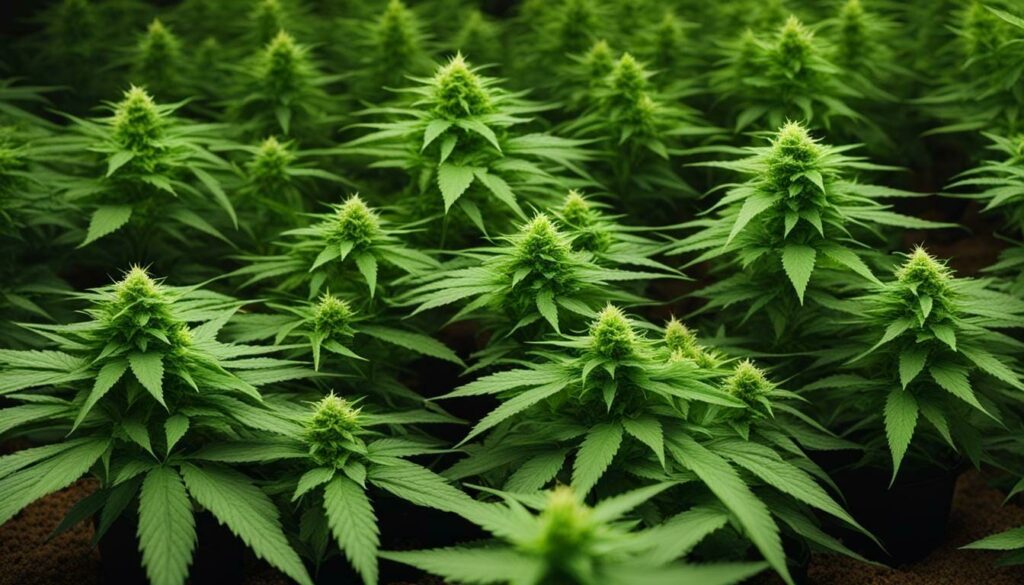
Cannabis is a sensitive crop that requires stable light cycles, specific humidity levels, and consistent temperatures to thrive. Even minor changes in growing conditions can impact yield, potency, and plant health. Unlike staple crops such as wheat or rice, cannabis is often cultivated under strict regulations and high consumer expectations, making environmental disruptions more significant.
Rising Temperatures and Their Effect on Cannabis
One of the most obvious consequences of climate change is rising global temperatures. While some regions may benefit from extended growing seasons, the overall impact is often negative for cannabis growers.
Heat Stress in Outdoor Cultivation
Outdoor cannabis plants are at risk of heat stress when exposed to prolonged high temperatures. This stress can cause slowed growth, reduced flower density, and in severe cases, plant death. Excessive heat also increases the rate of evaporation, reducing soil moisture and putting additional pressure on water resources.
Indoor and Greenhouse Challenges
Even indoor and greenhouse cultivators are not immune. Higher outside temperatures mean increased energy demand for cooling and climate control. This raises production costs and increases the carbon footprint of cannabis operations, creating a cycle where cultivation indirectly contributes to climate change.
Changing Rainfall Patterns
Rainfall patterns are becoming increasingly unpredictable, with some regions facing droughts while others experience excessive rainfall. For cannabis farmers, both extremes pose risks.
Drought Conditions
Drought reduces water availability, making irrigation more challenging and expensive. Cannabis plants require consistent hydration, and water scarcity can significantly reduce crop yields. In arid regions, water-intensive cannabis farming has already been criticized for contributing to local water shortages.
Excessive Rain and Flooding
On the other hand, heavy rainfall and flooding can cause root rot, fungal diseases, and nutrient leaching in cannabis plants. Too much water can be just as damaging as too little, and with climate change intensifying weather extremes, cultivators face difficult balancing acts.
The Rising Threat of Pests and Diseases
Climate change does not only affect temperature and rainfall—it also alters ecosystems. Warmer temperatures and shifting seasons create more favorable conditions for pests and plant diseases.
Insects and Infestations
Cannabis crops are increasingly vulnerable to pests such as spider mites, aphids, and caterpillars. As winters grow milder and insect populations expand, infestations are becoming more frequent and harder to control. This forces growers to rely more on pesticides, which can harm both the environment and product quality.
Fungal and Bacterial Diseases
Humidity and moisture fluctuations contribute to outbreaks of mold, powdery mildew, and root diseases. These conditions are difficult to manage and can devastate entire crops, particularly in outdoor cultivation settings.
Shifts in Regional Suitability for Cultivation
As climate zones shift, areas that were once ideal for cannabis cultivation may no longer be suitable. Conversely, regions that previously could not support cannabis farming may become more viable.
Traditional Growing Regions Under Pressure
Areas known for their cannabis production, such as California’s Emerald Triangle, face increasing wildfire risks, water shortages, and heat waves. These pressures could make long-established cannabis farming regions less reliable in the future.
Emerging Opportunities in New Regions
On the flip side, climate change may open opportunities for cannabis cultivation in cooler regions. Northern areas with traditionally shorter growing seasons may benefit from warmer temperatures, potentially expanding the global cannabis map.
Economic and Social Impacts
Climate change is not just a scientific or agricultural issue—it also has economic and social consequences for cannabis.
Rising Production Costs
As growers invest more in water management, pest control, and climate regulation, operational costs rise. These expenses can drive up the price of cannabis products for consumers and reduce profitability for cultivators.
Impact on Small-Scale Farmers
Small and independent growers are particularly vulnerable. Without the resources to invest in advanced technologies, they may struggle to adapt to climate change, leading to industry consolidation and reduced diversity in cannabis markets.
Innovation and Adaptation in Cannabis Cultivation
Despite the challenges, cannabis cultivators are finding innovative ways to adapt to climate change.
Sustainable Growing Practices
Many growers are adopting sustainable methods such as drip irrigation, renewable energy, and organic pest control to reduce environmental impact. These practices not only help fight climate change but also appeal to eco-conscious consumers.
Advances in Indoor Farming
Indoor cultivation technologies, including vertical farming and automated climate control, allow growers to maintain stable environments despite external changes. While energy use remains a challenge, renewable power sources and energy-efficient systems are helping to mitigate the issue.
Breeding Climate-Resilient Strains
Researchers and breeders are developing cannabis strains that are more tolerant of heat, drought, and disease. These resilient strains may play a crucial role in ensuring stable cannabis production in the face of climate change.
The Role of Policy and Regulation
Government policies will also shape how cannabis cultivation responds to climate change. Regulations that encourage sustainable farming, renewable energy adoption, and water conservation can help the industry adapt more effectively. Policymakers must balance industry growth with environmental responsibility to ensure cannabis cultivation remains viable in the long term.
Looking Ahead: The Future of Cannabis Cultivation
Climate change presents undeniable challenges for cannabis cultivation, but it also drives innovation and adaptation. The industry is learning to operate in new conditions, using technology, sustainability, and research to reduce risks.
As environmental changes continue, cannabis farming will likely look very different in the coming decades. Growers who embrace sustainability and resilience will be best positioned to thrive, while those resistant to change may struggle to survive.
Read Also : The Art of Watering Cannabis Plants: A Guide to Keeping Your Crop Happy and Healthy
Conclusion
The impact of climate change on cannabis cultivation is complex and far-reaching. From rising temperatures and water scarcity to pest infestations and shifting regional suitability, growers face a range of challenges that threaten both crop quality and profitability. However, with innovation, sustainable practices, and supportive policies, the cannabis industry can adapt and continue to grow in an increasingly uncertain climate.
By understanding these dynamics now, stakeholders across the cannabis ecosystem can prepare for a future where resilience and sustainability are not just goals but necessities.