
Introduction
Cannabis has moved from being a controversial plant to becoming a subject of serious medical research and discussion. With increasing legalization and acceptance across the world, many people are now exploring its therapeutic potential. Medical cannabis, specifically, is used under professional guidance to manage a variety of health conditions. But what exactly does it help with, and how does it work? Let’s explore the science, conditions, and real-world applications of medical cannabis.
Understanding Medical Cannabis
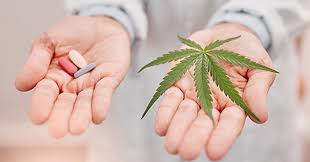
Medical cannabis refers to the use of cannabis or its chemical compounds—primarily THC (tetrahydrocannabinol) and CBD (cannabidiol)—for therapeutic purposes. Unlike recreational cannabis, which is used for enjoyment or relaxation, medical cannabis is prescribed to relieve symptoms, improve quality of life, or complement existing treatments.
The human body has an endocannabinoid system (ECS), a complex network of receptors that regulate processes like pain, mood, appetite, sleep, and immune response. Cannabis compounds interact with this system, which is why they can influence so many different health conditions.
Chronic Pain Management
One of the most well-established uses of medical cannabis is for chronic pain. Many patients who suffer from conditions such as arthritis, fibromyalgia, multiple sclerosis, and nerve damage find relief through cannabis. Unlike opioids, cannabis does not carry the same risk of severe addiction and overdose, making it a safer alternative for long-term pain management.
Cannabis may help reduce inflammation and alter pain signaling in the brain, offering patients a way to function more comfortably in their daily lives. For many, this means fewer pharmaceuticals and a more natural approach to pain relief.
Epilepsy and Seizure Disorders
Medical cannabis has gained worldwide attention due to its ability to reduce seizures in certain types of epilepsy. CBD, in particular, has been shown to significantly decrease seizure frequency in patients with treatment-resistant epilepsy.
The approval of CBD-based medications in several countries has provided hope to families whose loved ones suffer from severe seizure conditions like Dravet syndrome and Lennox-Gastaut syndrome. This breakthrough showcases how cannabis-derived compounds can offer solutions where conventional medicine falls short.
Cancer-Related Symptoms
While medical cannabis is not a cure for cancer, it is widely used to manage the side effects of cancer treatments. Chemotherapy often causes nausea, vomiting, and loss of appetite—symptoms that cannabis can help alleviate.
THC, in particular, stimulates appetite and can reduce nausea, allowing patients to maintain proper nutrition during treatment. Additionally, some studies suggest that cannabinoids may have anti-tumor properties, though more research is needed to confirm these effects.
Multiple Sclerosis (MS)
Multiple sclerosis is an autoimmune disease that affects the central nervous system, leading to muscle spasms, chronic pain, and mobility challenges. Medical cannabis has been found effective in reducing muscle spasticity and improving overall comfort for MS patients.
Spray-based cannabis medications are already prescribed in several countries to manage MS symptoms, showing the plant’s growing medical acceptance. Many patients report better sleep and reduced discomfort, which significantly improves their quality of life.
Anxiety and PTSD
Cannabis is also being explored for mental health conditions, particularly anxiety disorders and post-traumatic stress disorder (PTSD). CBD is believed to help regulate mood and reduce feelings of anxiety by interacting with serotonin receptors in the brain.
For PTSD patients, especially veterans, cannabis may ease symptoms such as insomnia, flashbacks, and hyperarousal. However, it’s important to note that while low to moderate doses can help, high levels of THC may sometimes worsen anxiety—making medical supervision essential.
Sleep Disorders
Millions of people worldwide struggle with insomnia and poor sleep quality. Medical cannabis, particularly strains high in certain cannabinoids and terpenes, may promote relaxation and help people fall asleep faster.
THC can reduce the time it takes to fall asleep, while CBD has been shown to improve sleep quality over time. By addressing both the root causes of sleep disturbances—such as pain, anxiety, or stress—cannabis offers a natural alternative to pharmaceutical sleeping pills.
Inflammatory Conditions
Inflammation is at the core of many chronic diseases, including Crohn’s disease, ulcerative colitis, and rheumatoid arthritis. Cannabis compounds like CBD have anti-inflammatory properties, which may help reduce flare-ups and improve digestive health.
For people living with inflammatory bowel diseases, cannabis may reduce abdominal pain, improve appetite, and support overall gut function. Patients with arthritis often report less joint pain and improved mobility after using medical cannabis as part of their care plan.
Glaucoma
Glaucoma is a progressive eye condition that occurs when fluid builds up in the eye, causing an increase in intraocular pressure (IOP). Over time, this pressure can damage the optic nerve, leading to gradual and often irreversible vision loss. If left untreated, glaucoma can result in complete blindness, making early diagnosis and management crucial.
Cannabis has been studied in connection with glaucoma for decades, as researchers discovered that cannabinoids—particularly THC—can temporarily reduce IOP. This effect sparked interest in medical marijuana as a potential therapeutic option for patients living with the condition. However, the benefits of cannabis in glaucoma treatment are limited by its short duration of action. Typically, the reduction in eye pressure lasts only three to four hours, meaning patients would need to use cannabis multiple times a day to maintain consistent relief. Such frequent use may lead to side effects, including impaired cognitive function, drowsiness, or dependency, making it impractical as a primary therapy.
For this reason, cannabis is not considered a standalone treatment for glaucoma. Instead, it may serve as a complementary approach when conventional medications or surgical options are not fully effective. Under medical supervision, some patients may use cannabis to enhance overall comfort, reduce intraocular pressure in the short term, and potentially improve quality of life. Still, further research is needed to explore safer delivery methods and longer-lasting cannabinoid-based treatments that could one day play a more significant role in glaucoma management.
Neurodegenerative Diseases
Emerging research suggests that cannabis may hold therapeutic potential for individuals living with neurodegenerative diseases such as Parkinson’s disease, Alzheimer’s disease, and Huntington’s disease. These conditions are characterized by the progressive loss of nerve cells in the brain, leading to symptoms like impaired memory, tremors, muscle stiffness, mood changes, and difficulties with movement or coordination. Since current treatments often focus only on symptom management rather than halting progression, scientists are investigating whether cannabis compounds could provide a dual benefit—relieving symptoms while also offering some level of neuroprotection.
Cannabinoids such as CBD and THC interact with the body’s endocannabinoid system, which plays a role in regulating mood, memory, motor control, and neuroinflammation. In Parkinson’s disease, for example, some studies suggest cannabis may help reduce tremors, muscle rigidity, and sleep disturbances, offering patients a greater sense of ease in daily activities. In Alzheimer’s disease, cannabinoids are being studied for their potential to reduce agitation, improve mood, and possibly slow the buildup of harmful plaques in the brain. Similarly, research into Huntington’s disease points to cannabis as a possible way to ease muscle spasms and support emotional well-being.
Beyond symptom relief, cannabis is also being explored for its potential neuroprotective properties. Preclinical studies suggest that cannabinoids may help shield brain cells from oxidative stress and inflammation, two key contributors to the progression of neurodegenerative diseases. While these findings are promising, it is important to note that much of the research is still in its early stages, and large-scale clinical trials are needed to confirm long-term safety and effectiveness.
Although cannabis is not a cure for neurodegenerative diseases, it may serve as a supportive therapy to improve quality of life. Under medical supervision, carefully tailored cannabis use could help patients manage symptoms, maintain independence longer, and experience a better overall sense of well-being.
Conditions with Emerging Research
Beyond the conditions mentioned, cannabis is being studied for a wide range of health issues including:
- Migraines and cluster headaches
- Autism spectrum disorders
- Tourette syndrome
- Substance use disorders
- Skin conditions like eczema and psoriasis
While research is ongoing, many patients have already reported positive outcomes from incorporating medical cannabis into their treatment routines.
Potential Risks and Considerations
Although medical cannabis offers promising therapeutic benefits, it is important to recognize that it is not without risks. Like any treatment, cannabis use can cause side effects, especially when dosing is not properly managed. Common side effects may include dry mouth, dizziness, drowsiness, and fatigue, which can affect a patient’s daily functioning. Some individuals may also experience changes in appetite, altered mood, or mild cognitive effects such as reduced short-term memory or slower reaction times. While these effects are often temporary, they can still interfere with quality of life if not monitored.
Higher doses of THC, the psychoactive component of cannabis, may present greater risks. In sensitive individuals, excessive THC consumption has been linked to heightened anxiety, paranoia, or confusion. Long-term or heavy use of THC-dominant cannabis may also impair cognitive performance, particularly in younger users whose brains are still developing. This is why many patients and healthcare providers prefer CBD-rich products, as CBD is non-intoxicating and tends to counteract some of the adverse effects associated with THC.
Another critical consideration is drug interactions. Cannabis can interact with certain prescription medications, including blood thinners, antidepressants, and seizure medications. These interactions may alter how drugs are metabolized in the body, potentially reducing their effectiveness or increasing the risk of side effects. For this reason, professional medical guidance is essential before starting cannabis therapy. A healthcare provider can help patients evaluate potential risks, adjust dosages, and monitor responses to treatment.
It’s also worth noting that each patient’s response to cannabis is highly individual. Factors such as age, weight, metabolism, and the severity of the condition can influence how cannabis affects the body. Finding the right balance of cannabinoids—whether CBD, THC, or a combination—often requires careful experimentation under medical supervision. Starting with low doses and gradually adjusting allows patients to minimize risks while maximizing therapeutic benefits.
In summary, while medical cannabis can significantly improve symptoms and quality of life for many patients, it must be used thoughtfully and responsibly. Understanding its potential side effects, interactions, and the importance of professional oversight ensures that patients can benefit from cannabis in the safest way possible.
Also Read: The Environmental Impact of Cannabis Cultivation: Sustainable Practices
Conclusion
Medical cannabis is no longer just an alternative—it is becoming an important part of modern healthcare. From chronic pain and epilepsy to anxiety, cancer-related symptoms, and inflammatory conditions, its potential is vast and continues to expand with ongoing research.
While not a one-size-fits-all solution, medical cannabis has shown that it can improve quality of life for countless patients worldwide. With responsible use and professional oversight, it represents a bridge between natural healing and advanced medicine.