
Introduction to Cannabis Growth
Cannabis, like any plant, goes through different stages of life. Each stage has its unique requirements regarding light, water, nutrients, and care. The main stages of cannabis growth are germination, seedling, vegetative, flowering, and harvesting. Successfully navigating these stages ensures healthy plants and abundant harvests.
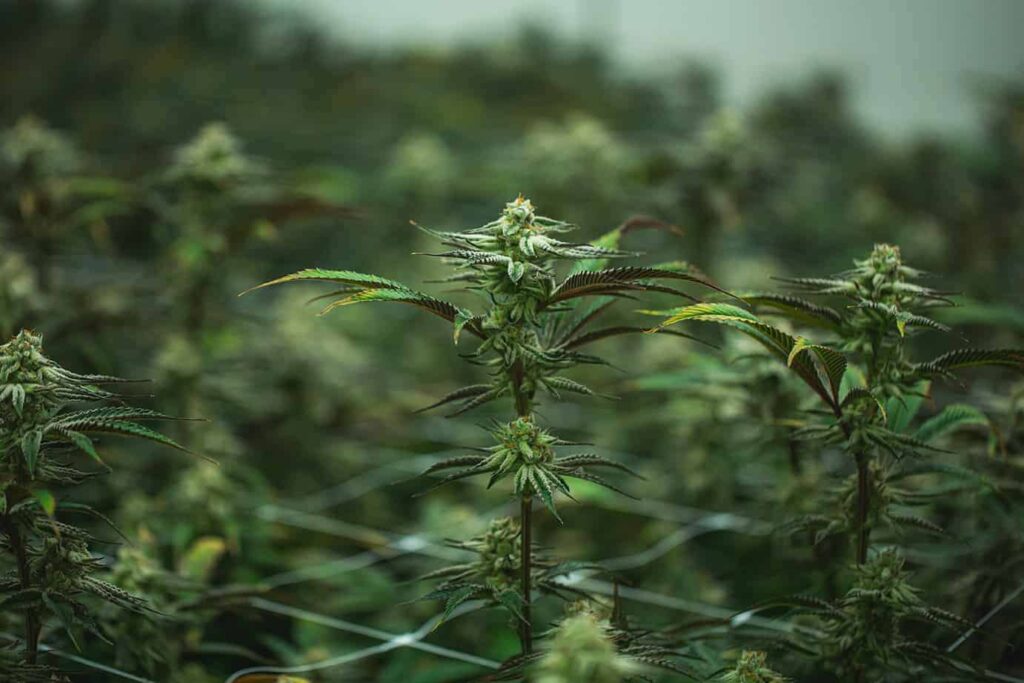
1. Germination Stage (1-2 weeks)
Germination is the first stage of life for a cannabis plant. This stage begins when a cannabis seed’s shell cracks open and the white radicle root emerges. To germinate your seeds, you need a warm (70-85°F), moist environment. Common methods include the paper towel method, direct planting, or using starter cubes.
Key Tips:
- Maintain consistent moisture and temperature.
- Handle sprouted seeds with care to avoid damaging the taproot.
2. Seedling Stage (2-3 weeks)
Once the seed has sprouted, it enters the seedling stage. This stage is characterized by the appearance of two embryonic leaves (cotyledons), followed by the development of the first true cannabis leaves. Seedlings require about 16 hours of light daily and should be kept under gentle, cool lighting to prevent overheating.
Key Tips:
- Use a light soil or starter mix, rich in perlite or vermiculite.
- Water carefully to avoid overwatering, which is a common mistake at this stage.
3. Vegetative Stage (3-16 weeks)
During the vegetative stage, the plant’s growth accelerates. Cannabis plants will develop their root systems, branches, and leaves, preparing them for eventual flowering. The length of this stage can vary based on grower preference and the cultivation method used (indoor vs. outdoor).
Key Tips:
- Switch to a nutrient mix high in nitrogen.
- Ensure at least 18 hours of light per day for robust growth.
- Begin training techniques, such as topping or LST (Low Stress Training), to promote higher yields.
4. Pre-flowering Stage (1-2 weeks)
As you transition from the vegetative stage to flowering, plants enter the pre-flowering stage. During this period, cannabis plants start showing their sex. Male plants develop pollen sacs, and females develop pistils. Identifying and separating males is crucial unless breeding is intended.
Key Tips:
- Reduce light exposure to 12 hours to induce flowering.
- Monitor for male plants and separate them to avoid pollination of females.
5. Flowering Stage (6-12 weeks)
The flowering stage is when cannabis produces buds. This stage is triggered by decreasing light hours, simulating the approach of autumn. Female plants will start forming trichomes and buds, which accumulate cannabinoids like THC and CBD.
Key Tips:
- Switch to bloom nutrients high in phosphorus and potassium.
- Monitor humidity and temperature to prevent mold and bud rot.
- Consider supplemental lighting to maximize bud production.
6. Harvesting (1-2 weeks)
Harvesting begins when the trichomes on the buds turn cloudy, indicating peak THC levels. The exact timing can vary depending on the desired effects, as more amber trichomes typically mean a more sedative effect.
Key Tips:
- Flush plants with plain water 1-2 weeks before harvesting to improve flavor.
- Harvest early in the day when terpene levels are highest.
7. Post-Harvest: Drying and Curing (2-8 weeks)
After cutting down your plants, drying and curing are critical to develop the flavor, potency, and smoothness of your buds. Proper curing can significantly enhance the quality of your cannabis.
Key Tips:
- Dry buds slowly in a controlled environment with around 50% humidity.
- Cure buds in airtight containers, opening them occasionally to exchange air and release moisture.
Advanced Techniques and Common Issues in Cannabis Growth
While the basic methods of germination suffice for most growers, advanced techniques can enhance germination rates and seedling health. Scarification, which involves gently nicking the seed coat with a file, can improve water absorption, especially for older seeds. Soaking seeds in a mild solution of hydrogen peroxide can also sanitize them and help prevent fungal diseases.
Seedling Nutrition and Environment
Seedlings are particularly vulnerable to environmental stresses. It’s crucial to maintain a stable environment — sudden changes in temperature or moisture can stunt growth or even kill young plants. Using a seedling heat mat can help maintain optimal soil temperature, while a humidity dome can keep moisture levels constant. At this stage, feeding should be minimal, with a light solution of starter fertilizer enough to support growth without causing nutrient burn.
Vegetative Growth Maximization
To maximize growth during the vegetative stage, consider the use of growth enhancers like seaweed extracts or humic acids, which can promote vigorous growth and enhance nutrient uptake. Implementing a CO₂ supplementation system can also significantly boost growth rates and yields under controlled conditions. However, it’s essential to ensure that your ventilation system is capable of maintaining air quality, as CO₂ levels that are too high can be harmful.
Pest and Disease Management in Vegetative and Flowering Stages
Pests and diseases can wreak havoc on a cannabis garden. Integrated Pest Management (IPM) strategies can help prevent infestations by combining biological, physical, and chemical control measures. Regular inspections are crucial; look for signs of pests or disease such as discolored leaves, sticky residues, or wilting. Natural predators, like ladybugs for aphids, can be an effective and environmentally friendly option.
Stress Training Techniques
Stress training techniques, such as High-Stress Training (HST) and Low-Stress Training (LST), can significantly influence the shape and efficiency of your cannabis plants. Techniques like topping (cutting off the top of the plant) can encourage bushier growth, while LST methods like bending and tying down branches can expose more of the plant to light, promoting an even canopy and increased bud sites.
Flowering Stage Light Manipulation
Light manipulation plays a crucial role in maximizing bud production during the flowering stage. Using specific light spectrums can influence cannabinoid, terpene, and flavonoid profiles, potentially enhancing the medicinal and sensory properties of the final product. Ultraviolet light, for example, can increase THC concentrations, while infrared might boost flower size.
Harvest Timing for Optimal Potency
Timing your harvest is critical for capturing the peak potency of your cannabis. Trichome observation is the most reliable method to determine the perfect harvest time. Clear trichomes indicate underripe buds, milky white suggests peak THC levels, and amber signifies a high CBD content, which may be preferable for medical users seeking a more sedative effect.
The Importance of Proper Drying and Curing
Drying and curing are not just post-harvest necessities but are integral to the quality of your cannabis. Improperly cured cannabis can develop mold or degrade in potency and taste. The curing process should be slow and controlled, with buds placed in airtight containers that are opened periodically to allow gases to escape and fresh air to enter, a process known as ‘burping.’
Long-Term Storage Solutions
After drying and curing, long-term storage of cannabis is critical, especially for commercial growers. Vacuum sealing can prevent oxidation and degradation of cannabinoids and terpenes. Storing in a cool, dark, and dry place will help maintain potency and prevent the growth of mold and bacteria for months or even years.
Read Also : How to Clone Autoflower Cannabis Seeds: Is it Worth the Effort?
Conclusion
Successful cannabis cultivation requires an in-depth understanding of the plant’s lifecycle, coupled with a proactive approach to management and problem-solving. From the delicate care needed during the germination and seedling stages to the strategic interventions during the vegetative and flowering phases, every step in the cannabis growing process contributes to the final yield and quality of the product.
By staying informed about advanced cultivation techniques and potential issues, growers can optimize their practices and adapt to the unique needs of their plants, ensuring robust growth and bountiful harvests. Remember, the more attentive and responsive you are to your plants’ needs, the better they will reward you.
With this guide, you are now better equipped to understand and navigate the complexities of growing cannabis, ensuring that each stage of growth is optimized for the best possible outcome. Whether for personal use or commercial production, the dedication to mastering these stages will undoubtedly lead to successful cultivation and a deeper appreciation of the cannabis plant’s potential.