
In the world of cannabis, understanding the difference between indica and sativa strains is crucial for choosing the right experience. These two primary categories, along with their hybrids, offer a vast spectrum of effects that can elevate your mood, ease discomfort, or spark creativity. Whether you’re a seasoned cannabis enthusiast or a curious newcomer, this deep dive into indica and sativa will equip you with the knowledge to navigate the exciting world of cannabis strains.
What is Sativa?
Sativa strains originate from regions with hot, equatorial climates, like Southeast Asia and Africa. These plants are known for their tall, slender stature with wispy leaves. Traditionally, sativa strains have been associated with uplifting and energizing effects. Here’s a breakdown of sativa’s potential benefits:
- Enhanced Focus and Creativity: Sativa strains are often used to boost cognitive function and stimulate creative thinking. The invigorating effects can be helpful for tackling tasks, brainstorming ideas, or simply enjoying a social gathering.
- Mood Elevation: Sativa strains can promote feelings of happiness and euphoria, making them a popular choice for those seeking a mood boost or relief from mild anxiety.
- Energy Enhancement: Sativa’s uplifting effects can combat fatigue and leave you feeling energized and focused. This makes them ideal for daytime use when you need a pick-me-up.
What is Indica?
Indica strains hail from mountainous regions with cooler climates, like the Hindu Kush mountain range. These plants typically grow shorter and bushier than sativas, with broad, dense leaves. Indica strains are renowned for their relaxing and body-numbing effects. Let’s explore some of indica’s potential benefits:
- Deep Relaxation: Indica strains are widely used for their ability to induce a sense of deep relaxation and ease tension. This makes them perfect for unwinding after a long day, promoting restful sleep, or managing muscle pain.
- Stress Relief: Indica’s calming effects can help alleviate stress and anxiety, promoting a sense of peace and well-being.
- Pain Management: Indica strains are often used for pain relief due to their potential to interact with the body’s pain receptors. While not a cure-all, they may offer some comfort for those dealing with chronic pain.
Understanding the Differences: Beyond Uplifting vs. Relaxing
While the classic distinction between sativa (uplifting) and Indica (relaxing) remains a helpful starting point, the effects of cannabis can be more nuanced. The exact impact depends on a complex interplay of factors, including
- Cannabinoids: THC (tetrahydrocannabinol) is the primary psychoactive compound in cannabis, responsible for the “high.” CBD (cannabidiol) is another important cannabinoid known for its potential medicinal benefits. The ratio of THC to CBD, along with the presence of other cannabinoids, can significantly influence the effects.
- Terpenes: These aromatic compounds contribute to the unique smell and taste of cannabis strains. Specific terpenes, like limonene and pinene, are associated with uplifting effects, while myrcene is known for its sedative properties. The terpene profile of a strain plays a significant role in shaping its overall effects.
- Individual Biology: How your body metabolizes cannabis can also influence the effects you experience. Factors like genetics and prior cannabis use can affect how quickly and intensely you feel the effects.
Read- A Quick Take on Cannabis and Its Effects
Choosing the Right Strain: Matching Effects to Needs
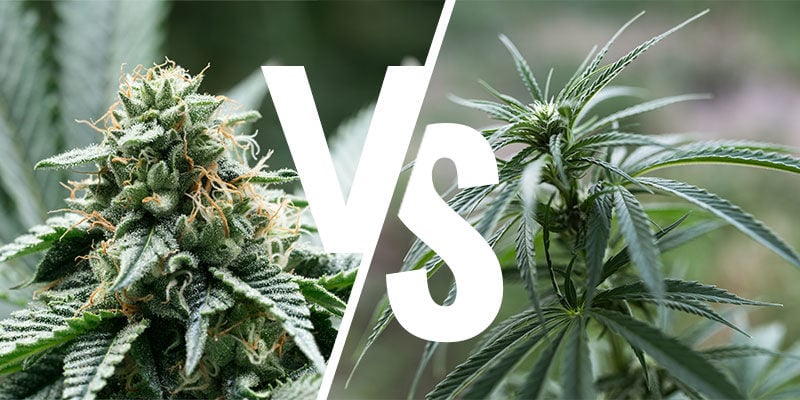
With the understanding that indica and sativa offer a spectrum of effects, choosing the right strain becomes more about matching your desired outcome. Here are some considerations:
- Daytime Use: If you’re looking for a pick-me-up to enhance focus or creativity, a Sativa-dominant strain with a balanced terpene profile might be ideal.
- Evening Relaxation: For unwinding after a long day or promoting restful sleep, Indica-dominant strains with higher levels of myrcene could be a better choice.
- Pain Management: Strains with a balance of THC and CBD, along with pain-relieving terpenes like caryophyllene, may offer some relief for chronic pain.
- Mood Elevation: If you’re seeking a mood boost or relief from mild anxiety, sativa strains known for their uplifting effects might be a good option.
Growing Stages: Indica vs. Sativa
Both indica and sativa strains generally follow the same basic cannabis growth stages: seedling, vegetative, flowering, and harvest. However, there can be slight differences in their growth patterns:
- Vegetative Stage: Indica plants tend to have a shorter vegetative stage than sativas. This means they spend less time growing foliage before transitioning to flower.
- Flowering Stage: Sativa plants typically have a longer flowering stage than indica
- Sativa plants typically have a longer flowering stage than indices, resulting in potentially higher yields. However, indica plants often mature faster, making them suitable for shorter growing seasons.
Advantages and Disadvantages: Indica vs. Sativa
Here’s a breakdown elaborating on the advantages and disadvantages of Indica and Sativa strains:
Indica
Advantages:
- Deep Relaxation and Stress Relief: Indica strains are renowned for their ability to induce a profound sense of relaxation. They can ease muscle tension, calm the mind, and promote a feeling of peacefulness, making them ideal for unwinding after a long day or managing stress and anxiety.
- Pain Management: Indica’s interaction with the body’s pain receptors may offer relief for chronic pain conditions. While not a cure, the analgesic properties of certain strains can help manage pain and discomfort.
- Improved Sleep: Indica strains are often used to combat insomnia and promote restful sleep. Their calming effects can quiet the mind and prepare the body for a deeper, more restorative sleep cycle.
- Typically Shorter Growth Cycle: Indica plants generally have a shorter vegetative stage compared to Sativa strains. This translates to a faster time from seed to harvest, making them ideal for growers with limited growing seasons or those who want quicker results.
Disadvantages:
- Drowsiness or Couch Lock in High Doses: While relaxation is a desired effect, some Indica strains can be overpowering in high doses, leading to excessive drowsiness or “couch lock,” a feeling of being physically glued to the couch, making it difficult to be active.
- Less Energizing than Sativa Strains: Indica strains aren’t known for their energizing effects. Consuming them during the day might lead to sluggishness or difficulty focusing, so they may be better suited for evening or nighttime use.
- May Not Be Ideal for Daytime Use if Focus is Desired: Due to their relaxing properties, Indica strains may not be the best choice if you’re looking for a daytime pick-me-up to enhance focus or creativity.
Sativa
Advantages:
- Uplifting and Energizing Effects: Sativa strains are known for their mood-boosting and energizing properties. They can combat fatigue, improve alertness, and promote a sense of focus and mental clarity, making them ideal for daytime use or when you need a creative boost.
- Enhanced Focus and Creativity: Sativa strains can stimulate brain activity, potentially improving focus and concentration. Additionally, their uplifting effects can enhance creative thinking and problem-solving abilities.
- Mood Elevation: Sativa strains can elevate mood and promote feelings of happiness and euphoria. They may be helpful for those battling mild anxiety or low mood.
- Potentially Higher Yields: Sativa plants typically have a longer flowering stage than Indica strains. This extended flowering period can sometimes translate to higher yields, especially when grown under optimal conditions.
Disadvantages:
- May Cause Anxiety or Paranoia in Some Users: Sativa strains’ energizing effects can sometimes trigger anxiety or paranoia in some users, especially those new to cannabis or with a predisposition to anxiety disorders.
- Not Ideal for Relaxation or Sleep: The stimulating effects of Sativa strains can make it difficult to relax or fall asleep. They are best suited for daytime use when alertness and focus are desired.
- Typically Has a Longer Growing Cycle Than Indica: Sativa plants generally have a longer flowering period compared to Indica strains. This can be a disadvantage for growers with limited growing seasons or those who want a quicker harvest.
By understanding these advantages and disadvantages, you can make informed decisions about which type of cannabis strain best suits your needs and desired effects. Remember, individual experiences can vary, so it’s always a good practice to start with a low dose and observe the effects before consuming more.
Top 5 Indica Strains
- Granddaddy Purple: A classic indica strain known for its deep relaxation and pain relief properties.
- Northern Lights: A potent Indica strain with calming effects and a reputation for promoting restful sleep.
- Blue Cheese: An Indica-dominant strain with a unique flavor profile and relaxing effects that help ease stress and tension.
- Hindu Kush: A pure indica strain with powerful sedative effects, perfect for unwinding after a long day.
- Bubba Kush: A popular indica strain known for its relaxing effects and potential to alleviate pain and muscle tension.
Top 5 Sativa Strains
- Green Crack: A potent sativa strain with energizing effects that can enhance focus and creativity.
- Sour Diesel: A sativa-dominant strain with a distinct citrusy aroma and uplifting effects that promote alertness.
- Durban Poison: A pure sativa strain known for its energetic and mood-boosting effects, making it a great choice for daytime use.
- Jack Herer: A sativa-dominant strain with a complex flavor profile and energizing effects that can enhance creativity and focus.
- Super Silver Haze: A powerful sativa strain with uplifting and energizing effects, perfect for combating fatigue and boosting mood.
Growing Guide for Indica and Sativa in Canada
With cannabis legalization in Canada, many Canadians are interested in cultivating their own cannabis. Here are some general considerations for growing both indica and sativa strains:
- Climate: Canada’s shorter growing season may favor indica strains that mature faster. However, with proper planning and shelter, sativa strains can also thrive in certain regions.
- Light: Both indica and sativa require a period of darkness to initiate flowering. Indoors, growers utilize specific light cycles to control this process. Outdoors, natural light cycles dictate flowering times.
- Space: Indica plants tend to be more compact, making them suitable for smaller grow spaces. Sativa plants generally grow taller and require more room.
Important Note: Always research the specific growing requirements of your chosen strain, as there can be variations within the indica and sativa categories.
Legality of Growing Indica and Sativa Strains in Canada
The Cannabis Act and its regulations allow adults 19 years and older to grow up to four cannabis plants per dwelling for personal use. However, it’s crucial to stay informed about the laws and regulations specific to your province. Local municipalities may have additional regulations regarding cannabis cultivation, so be sure to check with your local government for the most up-to-date information.
Conclusion
Indica and Sativa strains offer a diverse range of effects that can enhance your well-being, creativity, and overall cannabis experience. By understanding the subtle differences between these two categories and considering the factors that influence effects, you can make informed decisions about which strains best suit your needs. Whether you’re seeking relaxation, a mood boost, or a creative spark, the world of indica and sativa has something to offer everyone. Remember, responsible cultivation practices and adherence to local regulations are essential for enjoying cannabis safely and legally in Canada